About

Two People, One Pot, 2011

Castvein began in a rented unit off Wealthy Street with a fifteen-litre pressure pot bought second-hand and a waiting list of exactly one sculptor. The pot is still on the floor. The waiting list is longer.

How It Started

Our founder was casting her own kits in a basement and losing a third of every run to bubbles. The fix — pressure, and weighing the mix instead of guessing it — turned out to be the entire business. Other sculptors in the local group started sending work, then sculptors they knew, then labels that had outgrown casting in-house.

By 2015 there were five of us and a second pot. By 2019 we had moved into Building C on Godfrey and put the printers behind their own door, which solved a class of mysterious uncured-block problems that had cost us most of a spring.

What Has Not Changed

We still answer the question “will this cast?” for free, before anyone has spent money, because the alternative is a client paying for a block that was never going to work. We still write pull counts on the side of the mold. And we still turn down work — oil-clay masters, two-litre single pours, anything where the rights are unclear — for the same reasons we did in the first year.
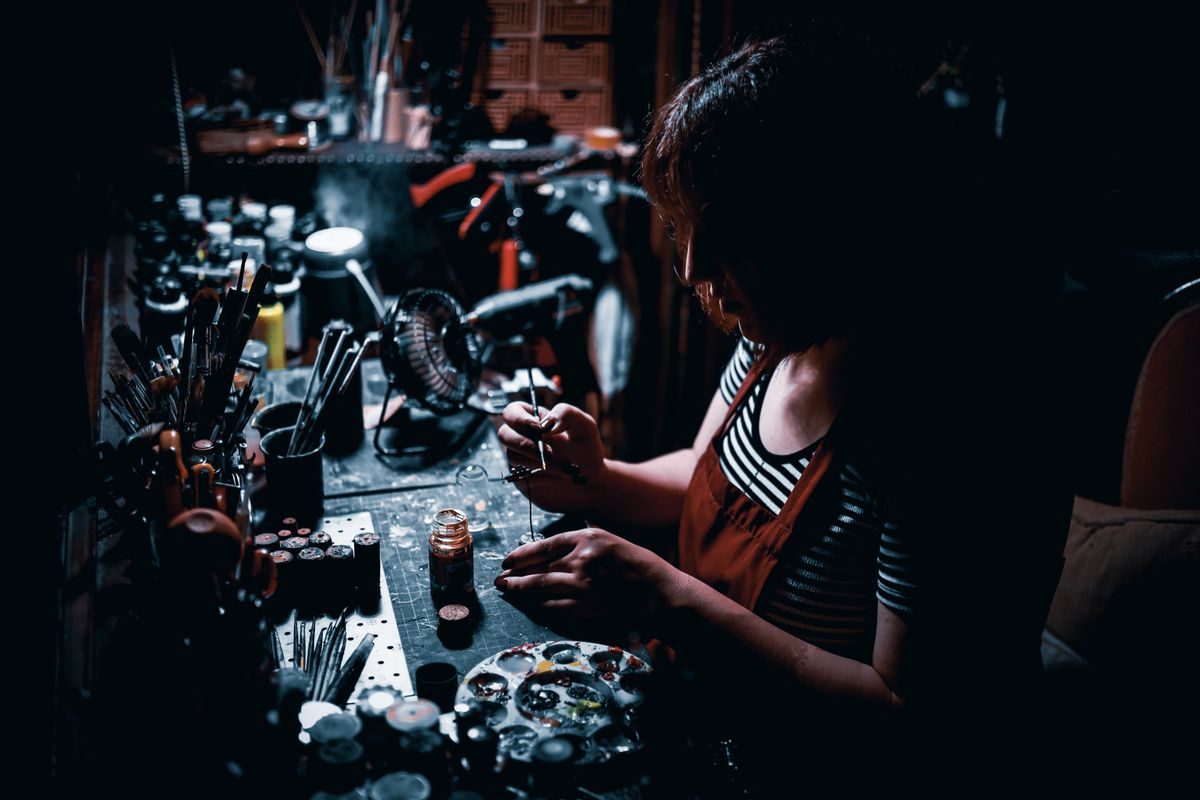
A caster at work under a bench lamp in a darkened workshop

The People

Fourteen of us: four on molds, five casting, three on the fettling benches, one in the print room and one keeping the office and the schedule honest. Most have been here more than four years, which in a trade with this much repetitive handwork is the number we are most quietly pleased about.

How We Charge

Three lines on every quote: the mold, the pulls, the fettling. Keeping them separate means you can see that a fifth part in the kit adds fettling time to every unit for the life of the run, and decide accordingly. Nothing is bundled into a per-unit price that hides where the money actually goes.

The Trade

Garage kit casting sits in an odd spot: too small for industry, too technical for craft. The shops that last are the ones honest about pull counts and honest about rights. We would rather lose a job at the enquiry stage than cut a block from a master somebody else sculpted.